


For many clinics and hospitals, collecting payments from patients can be challenging. Patients often feel confused by billing statements or unsure about what they owe after insurance adjustments. When billing communication is unclear, payments are delayed and healthcare organizations lose valuable time trying to resolve billing questions.
A patient portal offers an effective solution to these challenges. Patient portals allow patients to access their medical and financial information through a secure online platform. Patients can view bills, track insurance claims, and submit payments without needing to call the billing office.
By improving transparency and convenience, patient portals help healthcare providers increase patient collections while also improving the patient experience.
Table of Contents
ToggleWhat Is a Patient Portal in Healthcare
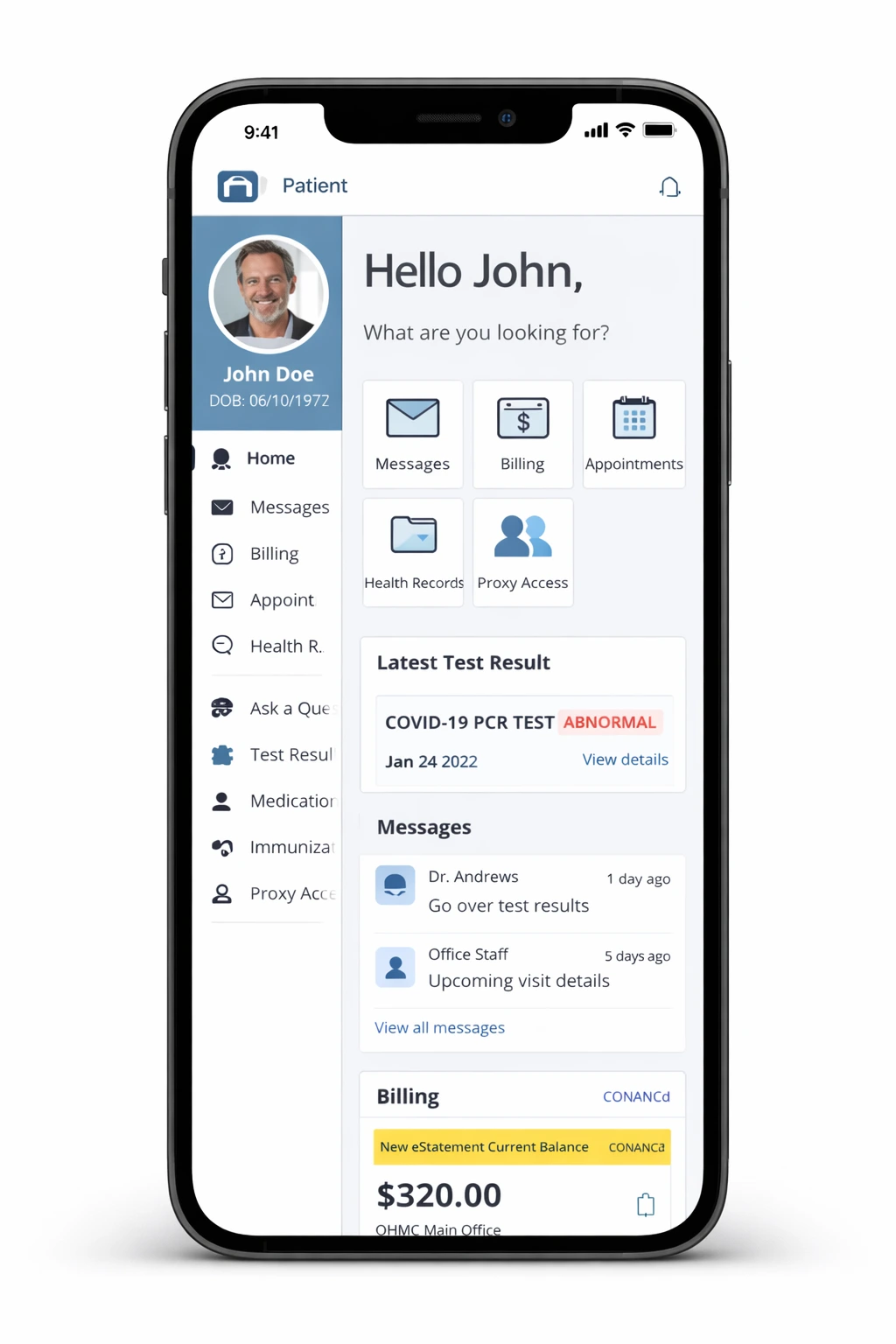
A patient portal is a secure online system that allows patients to access personal healthcare information through a website or mobile application.
Patients can use the portal to review medical records, communicate with doctors, schedule appointments, and manage billing information.
Many patient portals are connected to electronic health record systems. This integration allows healthcare organizations to share clinical information and billing updates in one digital platform.
Patients can log in to their accounts to review treatment summaries, check lab results, and view billing statements. This digital access improves communication between patients and healthcare providers while simplifying administrative processes.
Why Patient Portals Are Important for Healthcare Billing
Healthcare billing often involves multiple steps such as insurance verification, claim submission, and patient billing statements. These processes can take time, especially when communication relies on paper statements or phone calls.
When patients receive billing information weeks after a medical visit, they may not remember the details of their treatment. This delay often causes confusion and leads to unpaid balances.
A patient portal helps solve this problem by providing real time access to billing information. Patients receive notifications when new statements become available in their accounts.
Immediate access to billing details helps patients review charges quickly and make payments sooner.
As a result, healthcare organizations can improve the efficiency of patient billing collections.
Simplifying Medical Bill Payments Through Online Portals
Convenience is a major factor that influences whether patients pay their medical bills on time. When payment options are complicated or difficult to access, patients may postpone payments.
A patient portal simplifies the payment process by allowing patients to submit payments online.
Patients can log in to the portal and complete transactions using secure payment systems. Many portals support credit card payments, debit card payments, and electronic bank transfers.
Some systems also allow patients to store payment methods for future transactions. This feature helps patients complete payments faster and encourages consistent payment behavior.
Online payment access plays a major role in improving patient payment collections.
Improving Billing Transparency for Patients
Transparency is one of the most important factors in patient satisfaction. Patients want to understand how medical bills are calculated and what they are responsible for paying.
A patient portal provides detailed billing information that helps patients understand their charges.
Patients can view treatment costs, insurance adjustments, and remaining balances directly through the portal interface.
When billing information is presented clearly, patients feel more confident about paying their bills.
This transparency reduces billing disputes and improves trust between patients and healthcare organizations.
Reducing Administrative Work for Healthcare Providers
Billing departments often spend a significant amount of time answering patient questions about billing statements.
Patients frequently call healthcare offices to request payment details, insurance explanations, or copies of billing documents.
A patient portal reduces these tasks by allowing patients to access billing information independently.
Patients can review statements, check payment history, and download receipts without contacting the billing office.
This self service capability reduces the workload for administrative staff and allows healthcare providers to focus more on patient care.
Providing Information About Medical Financial Assistance
Many healthcare organizations offer financial assistance programs for patients who cannot afford medical bills.
However, patients may not always know that these programs exist or how to apply for them.
A patient portal can provide information about medical financial assistance programs directly within the platform.
Patients can review eligibility requirements, submit applications, and communicate with financial counselors through the portal.
Providing access to financial assistance information helps patients explore their options and reduces stress related to medical expenses.
Strengthening Patient Engagement Through Digital Access
Patient engagement is an important part of modern healthcare. When patients actively participate in managing their health information, they become more involved in their care decisions.
A patient portal encourages engagement by giving patients direct access to healthcare data and billing information.
Patients can review appointment details, track treatment history, and manage billing responsibilities through one centralized platform.
When patients remain engaged with their healthcare accounts, they are more likely to stay informed about their financial obligations.
This engagement contributes to better patient billing collections.
Supporting the Healthcare Revenue Cycle
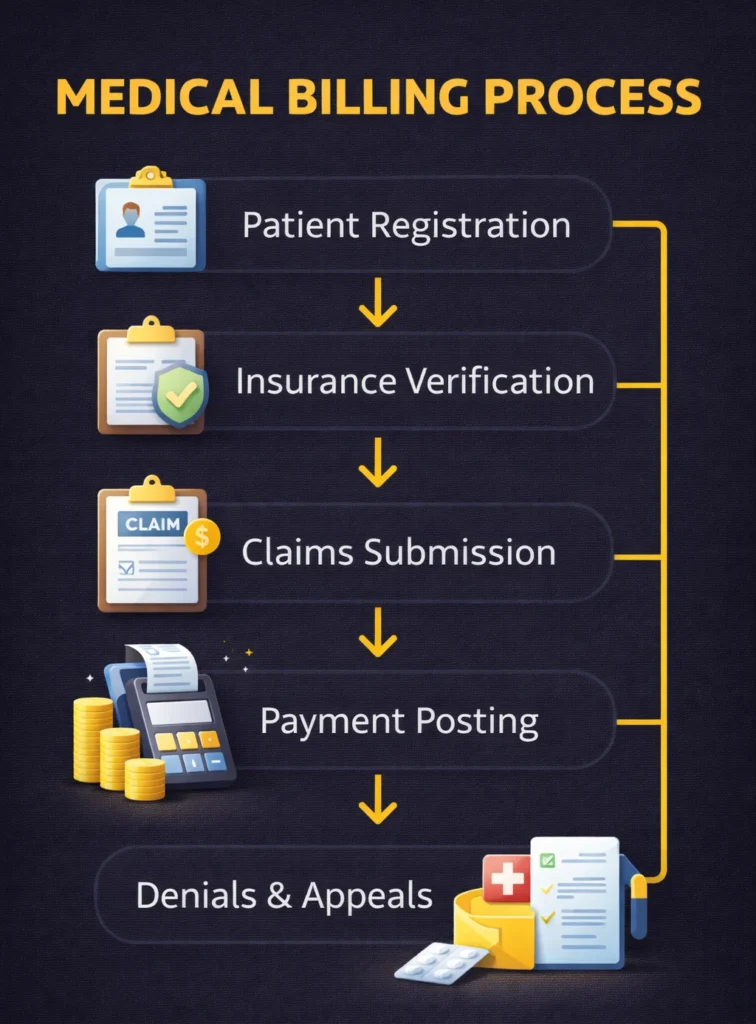
Healthcare billing is part of a broader financial system known as the revenue cycle. This process includes patient registration, insurance verification, claim submission, and payment collection.
Patient portals support several steps within this cycle by improving communication between patients and healthcare providers.
Patients can monitor claim processing updates, review billing statements, and make payments through the portal.
Healthcare organizations can also track patient balances more efficiently and identify unpaid accounts quickly.
Improving communication throughout the revenue cycle helps healthcare organizations maintain financial stability.
The Future of Patient Portal Technology
Digital healthcare systems continue to evolve as organizations adopt new technologies to improve efficiency and patient experience.
Patient portals are becoming increasingly advanced with features such as mobile access, automated billing reminders, and integrated payment systems.
Many healthcare providers now offer mobile applications that allow patients to manage their healthcare information directly from their smartphones.
These innovations make it easier for patients to stay informed about their medical records and financial responsibilities.
As healthcare technology continues to develop, patient portals will remain a critical tool for improving billing communication and patient collections.
For additional information about healthcare technology and patient portals, visit https://www.healthit.gov
Conclusion
Healthcare organizations must adapt to the growing financial responsibility placed on patients. Traditional billing systems often create delays and confusion that prevent timely payments.
A patient portal offers a modern solution that improves billing transparency, communication, and convenience.
By allowing patients to review bills, track insurance claims, and make payments online, patient portals simplify the entire billing process.
Healthcare providers who implement patient portal technology can increase patient payment collections while also improving patient satisfaction.
As healthcare continues to embrace digital transformation, patient portals will play an increasingly important role in financial communication and revenue management.