

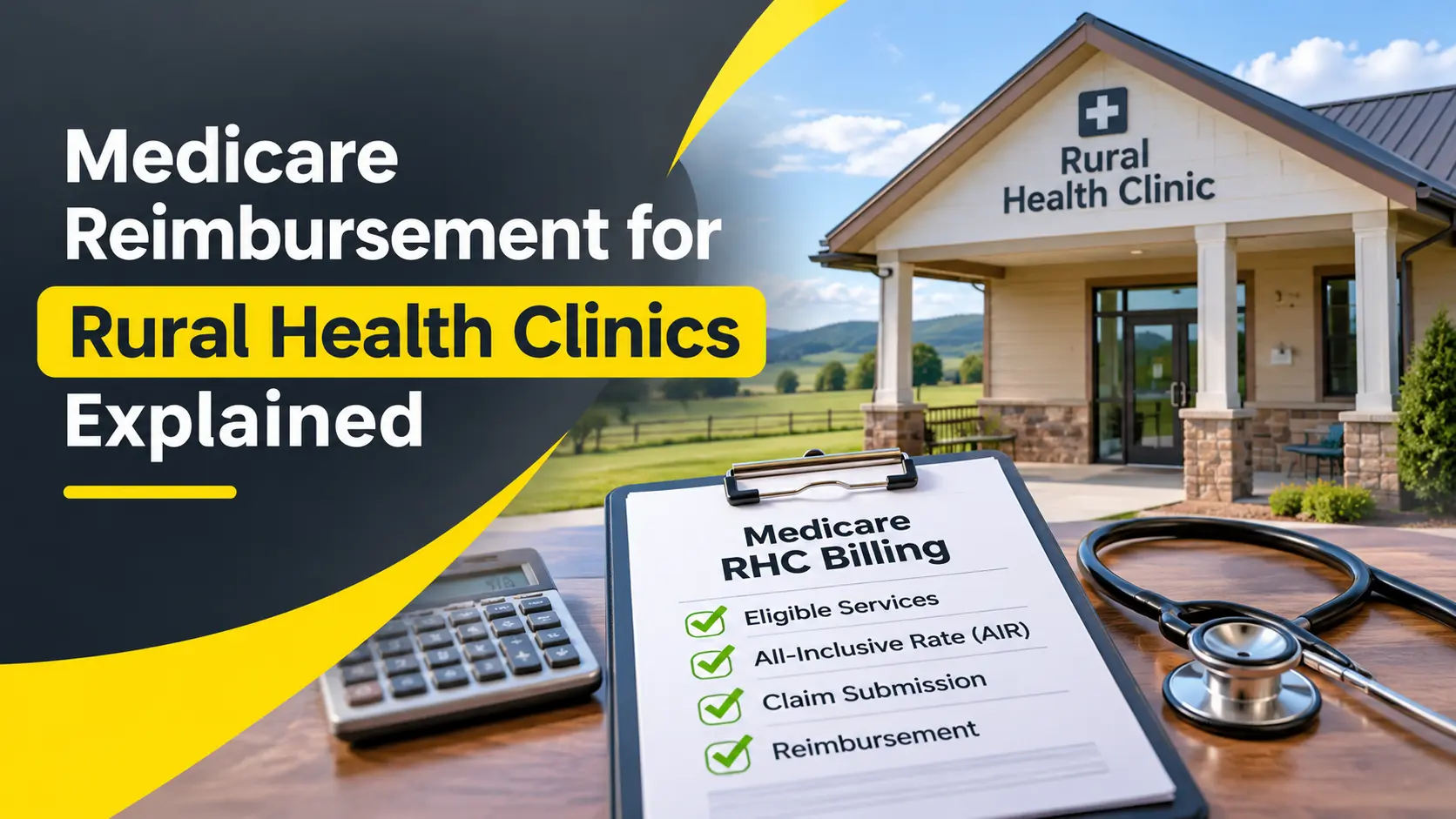
Medicare reimbursement for rural health clinics follows special payment rules that differ from standard physician billing. Medicare usually pays a Rural Health Clinic a bundled amount for each qualifying visit. The payment can include several primary or preventive services provided during that visit.
The final payment depends on the clinic type, allowable costs, visit count, annual payment limit, claim details, and cost report. This guide explains the process in simple language so clinic owners, managers, and billing teams can understand where payment comes from and what can delay it.
Table of Contents
ToggleHow Does Medicare Reimbursement for Rural Health Clinics Work?
Medicare reimbursement for rural health clinics generally uses a bundled payment for each qualifying patient visit. Medicare calls this payment the all inclusive rate. Instead of paying every covered service separately under the usual physician fee schedule, Medicare combines qualified visit services into one payment.
The clinic submits the claim to its Medicare Administrative Contractor. The contractor reviews the visit, provider, codes, clinic enrollment, and payment rules. Medicare then applies the clinic rate, the payment limit, patient cost sharing, and any separate payment rules that apply. The current rules are summarized in the official CMS Rural Health Clinic booklet.
What Is a Rural Health Clinic?
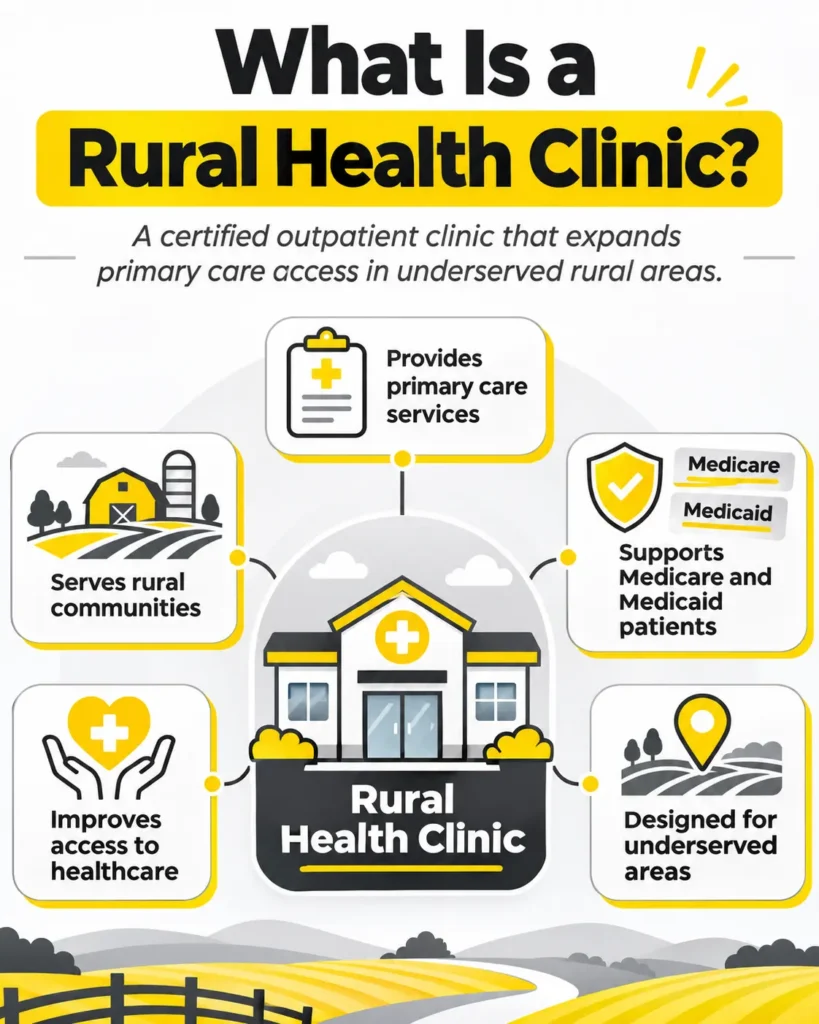
A Rural Health Clinic is a Medicare certified clinic located in a rural and underserved area. It provides primary and preventive care through qualified professionals such as physicians, nurse practitioners, physician assistants, and other approved practitioners.
A clinic must meet federal and state rules for location, staffing, services, quality, and certification. A medical office does not receive RHC payment only because it serves a rural community. It must complete the certification and Medicare enrollment process.
Rural Health Clinic Reimbursement
Rural health clinic reimbursement is based mainly on qualified visits rather than every individual service line. The clinic records all covered work, but Medicare usually packages related RHC services into one visit payment.
This method can simplify payment, but it makes visit definition and documentation very important. The record must show a medically necessary encounter with an approved practitioner and a service that meets Medicare RHC requirements.
What Counts as a Qualifying RHC Visit?
A qualifying visit usually involves a face to face medical, mental health, or approved preventive encounter between a patient and an RHC practitioner. The service must be medically necessary and require the skill of an approved professional.
The visit can take place at the clinic or at another allowed location, such as the patient home in certain cases. Services at an inpatient or outpatient hospital department do not count as RHC visits under the standard RHC visit rule.
RHC All Inclusive Rate
The RHC all inclusive rate is the bundled amount Medicare uses for a qualifying visit. It can cover the practitioner service and supplies or services that are part of that encounter. Medicare does not simply add the usual fee for every packaged item.
The rate is clinic specific within Medicare rules. Allowable costs and visit information from the cost report help support the final rate, while a statutory payment limit can restrict the amount Medicare pays for each visit.
How Medicare Calculates the Clinic Rate
The clinic reports allowable RHC costs and the number of qualified visits for the reporting period. The Medicare contractor reviews this information and divides allowable costs by actual visits to help decide the final rate.
The contractor also reviews productivity, reasonableness, and payment limits. Costs that do not belong to covered RHC services may not support the rate, even when the clinic reports them elsewhere on the cost report.
Medicare Payment Limits for RHC Visits
Medicare applies a maximum payment amount per visit to many RHCs. The official CMS guidance lists a national statutory limit of 165 dollars for calendar year 2026 and 178 dollars for calendar year 2027 for clinics covered by that limit.
Some qualifying provider based clinics follow a different calculation. Because payment amounts change, billing teams should confirm the current year limit and the clinic status before estimating expected revenue.
Independent and Provider Based RHCs
An independent RHC operates as a freestanding clinic. A provider based RHC is connected with a hospital or another approved provider. Their cost reporting and payment limit rules can differ.
The hospital size, clinic enrollment date, and Medicare status can affect which limit applies. The clinic should not copy the expected rate from another location. Staff should use the rate and instructions confirmed for their own Medicare record.
How Multiple Visits on the Same Day Are Paid
Medicare usually counts multiple encounters with RHC practitioners on the same day as one visit. The rule can apply even when the patient sees more than one practitioner. Reporting more claim lines does not automatically create another payable visit.
Medicare allows limited exceptions. Examples include a patient returning for a new illness or injury that happened after the first visit, or receiving a qualified medical visit and mental health visit on the same day. Documentation must clearly support the exception.
Services Included in the Visit Payment
The bundled visit payment can include primary care, preventive care, practitioner work, and supplies that are part of the RHC encounter. Staff should document each service even when Medicare packages it into the visit payment.
A packaged service should not be billed separately only to increase payment. Billing teams need to know which items belong inside the visit and which services follow a separate Medicare payment method.
Services Medicare May Pay Separately
Some services can follow payment rules outside the standard visit bundle. Examples can include approved care coordination services, certain vaccines, telehealth services, and other items that CMS identifies for separate treatment.
Separate payment does not mean that every service should appear outside the rate. The clinic must use current codes, meet all service requirements, and keep the cost report treatment consistent with Medicare guidance.
Medicare RHC Billing
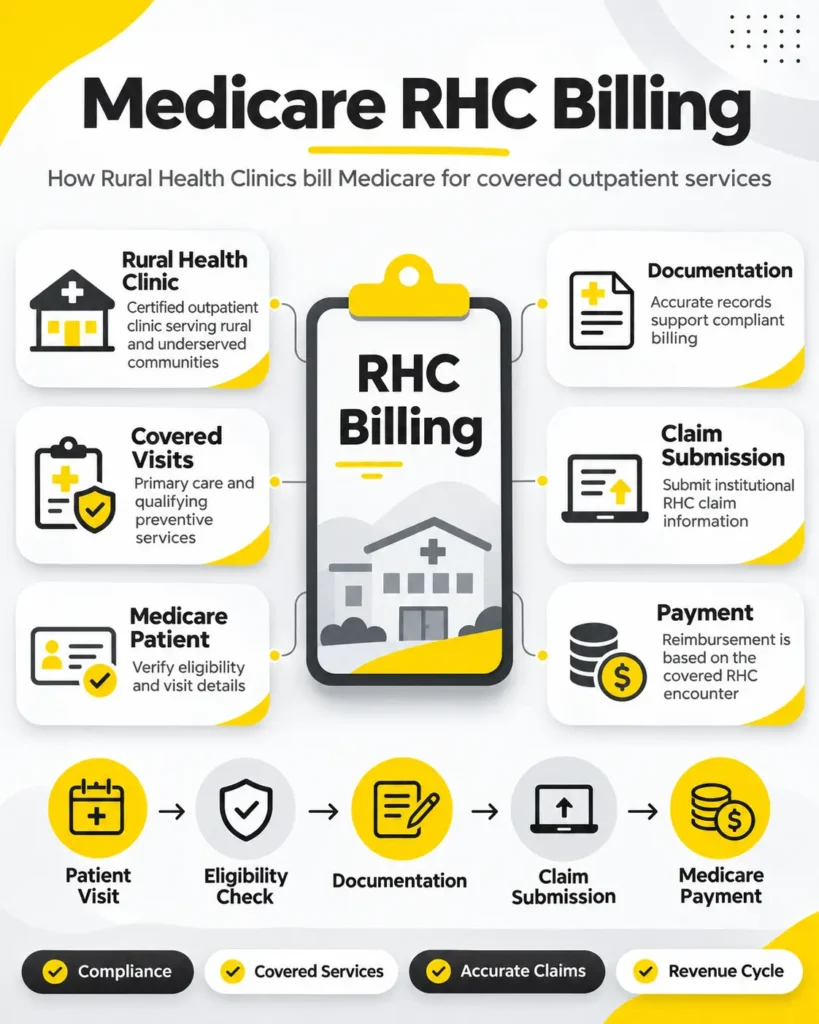
Medicare RHC billing requires the clinic to submit the proper institutional claim with the correct provider, revenue, procedure, diagnosis, and visit information. The claim must identify a qualifying service and match the clinic Medicare enrollment.
The medical record should support the claim before submission. A wrong visit code, missing required detail, or invalid provider can delay payment even when the patient received a covered service.
The Role of the CG Modifier
RHC claims commonly use the CG modifier to identify the service that represents the qualifying visit and controls payment. The clinic should attach it according to current CMS and contractor instructions.
Placing the modifier on the wrong line can affect claim processing. Staff should review the full encounter and choose the line that correctly represents the main qualified service for the visit.
Care Coordination and Remote Monitoring
RHCs may receive payment for approved care coordination services such as chronic care management, transitional care management, behavioral health integration, and certain remote monitoring services. These services can follow payment rules outside the standard visit rate.
Each service has its own code, time, consent, supervision, and documentation requirements. The clinic must also confirm that another practitioner or facility did not bill the same service for the same period.
Telehealth Payment for Rural Health Clinics
Telehealth payment rules depend on the service, patient location, technology, provider role, and date. CMS guidance allows RHCs to bill certain distant site telehealth services under special rules through the end of 2026, while mental health telehealth follows separate requirements.
Telehealth policies can change quickly. The clinic should verify current CMS and contractor guidance before billing. The note should show the service method, patient consent when required, and all facts needed for the reported code and modifier.
RHC Cost Report
The RHC cost report records allowable costs, qualified visits, vaccine information, bad debt, and other required financial details. Independent clinics generally use the clinic reporting form, while hospital based clinics complete the related hospital worksheets.
Accurate classification matters because the report affects final payment and reconciliation. Clinics should keep payroll, provider time, visit totals, supplies, contracts, and other records organized throughout the year instead of rebuilding them at the deadline.
Annual Payment Reconciliation
Medicare may make interim payments during the year. After the reporting period ends, the contractor reviews the cost report and calculates the final amount due under applicable limits.
The reconciliation can show that Medicare owes the clinic more or that the clinic received too much. Clean visit data and accurate costs help the contractor complete the review and reduce unexpected payment changes.
Common RHC Reimbursement Errors
Common errors include billing a service that does not qualify as an RHC visit, reporting separate payment for packaged work, missing required claim information, and counting multiple same day encounters as separate visits without an exception.
Other problems include inaccurate provider setup, weak documentation, incorrect telehealth details, and cost report totals that do not match billing records. A repeated setup error can affect many claims and the final annual rate.
How Rural Clinics Can Protect Medicare Revenue
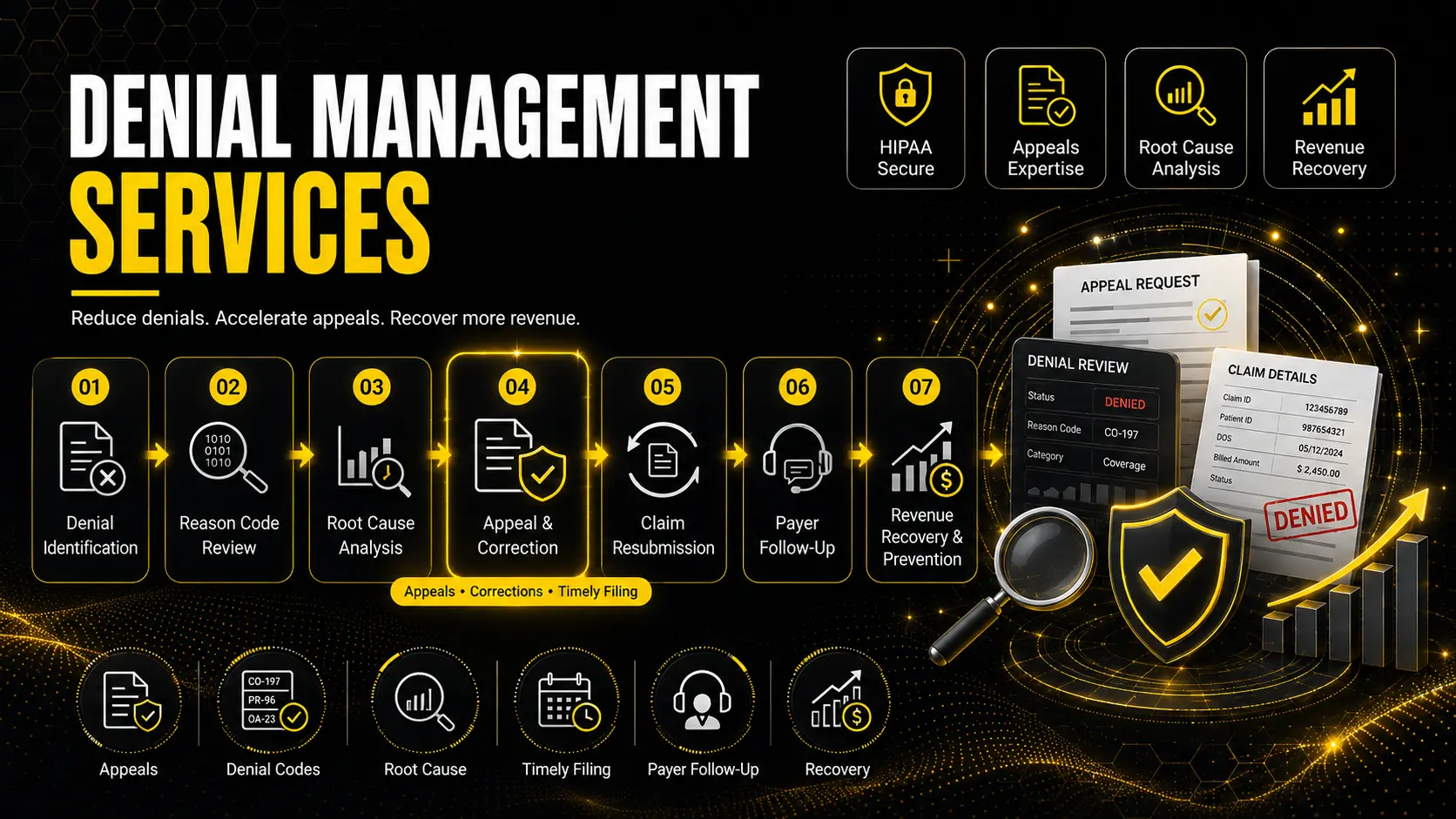
A strong process starts with correct certification, enrollment, provider records, visit documentation, and claim setup. The billing team should review denials, compare payment with the expected clinic rate, and reconcile claim data with cost report records.
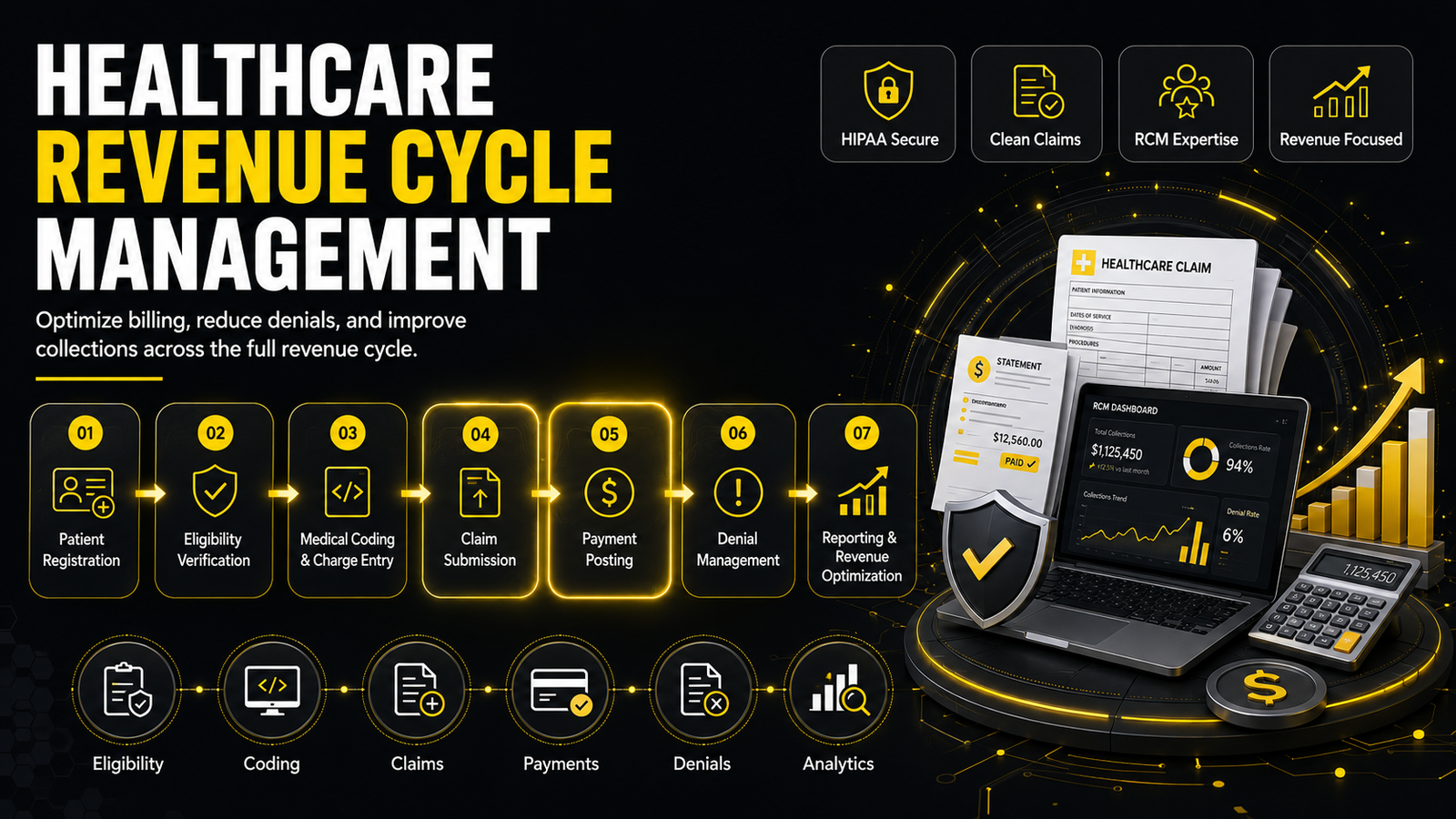
BillifyRCM can support rural practices through organized medical billing services. Regular claim checks and clear staff roles help clinics reduce avoidable delays while following Medicare requirements.